October 1, 2026
Fence Maintenance Tips for Central Iowa Homeowners
A quality fence is an investment in your property's privacy, security, appearance, and value. In Central Iowa, fences also have to withstand some challenging conditions—from freezing winter temperatures and frost to heavy spring rains, summer heat, humidity, and strong winds.
The good news is that a properly installed fence shouldn't require constant attention. A few routine inspections and some basic maintenance can help keep your fence looking good and performing as intended for many years.
Inspect Your Fence in the Spring and Fall
A good rule of thumb is to walk your fence line at least twice a year, preferably in the spring and fall.
Look for loose or damaged boards, cracked or damaged panels, bent hardware, leaning sections, gate alignment issues, or anything else that has noticeably changed.
Spring is an especially good time for an inspection after Iowa's freeze-and-thaw cycles. Catching a small problem early is usually easier and less expensive than waiting until it affects a larger section of fence.
Keep the Fence Line Clean
Leaves, grass clippings, weeds, vines, and other vegetation can hold moisture against fencing and make it more difficult to spot developing problems.
Keep vegetation trimmed away from the fence and avoid allowing soil, mulch, or landscaping materials to build up unnecessarily against the bottom of wood or vinyl fence panels.
Vinyl and many metal fences can generally be cleaned with water and a mild household soap. Cedar and other wood fencing should be cleaned more carefully. If pressure washing is used, keep the pressure low enough to avoid damaging or roughening the surface of the wood.
Maintain Cedar and Other Wood Fencing
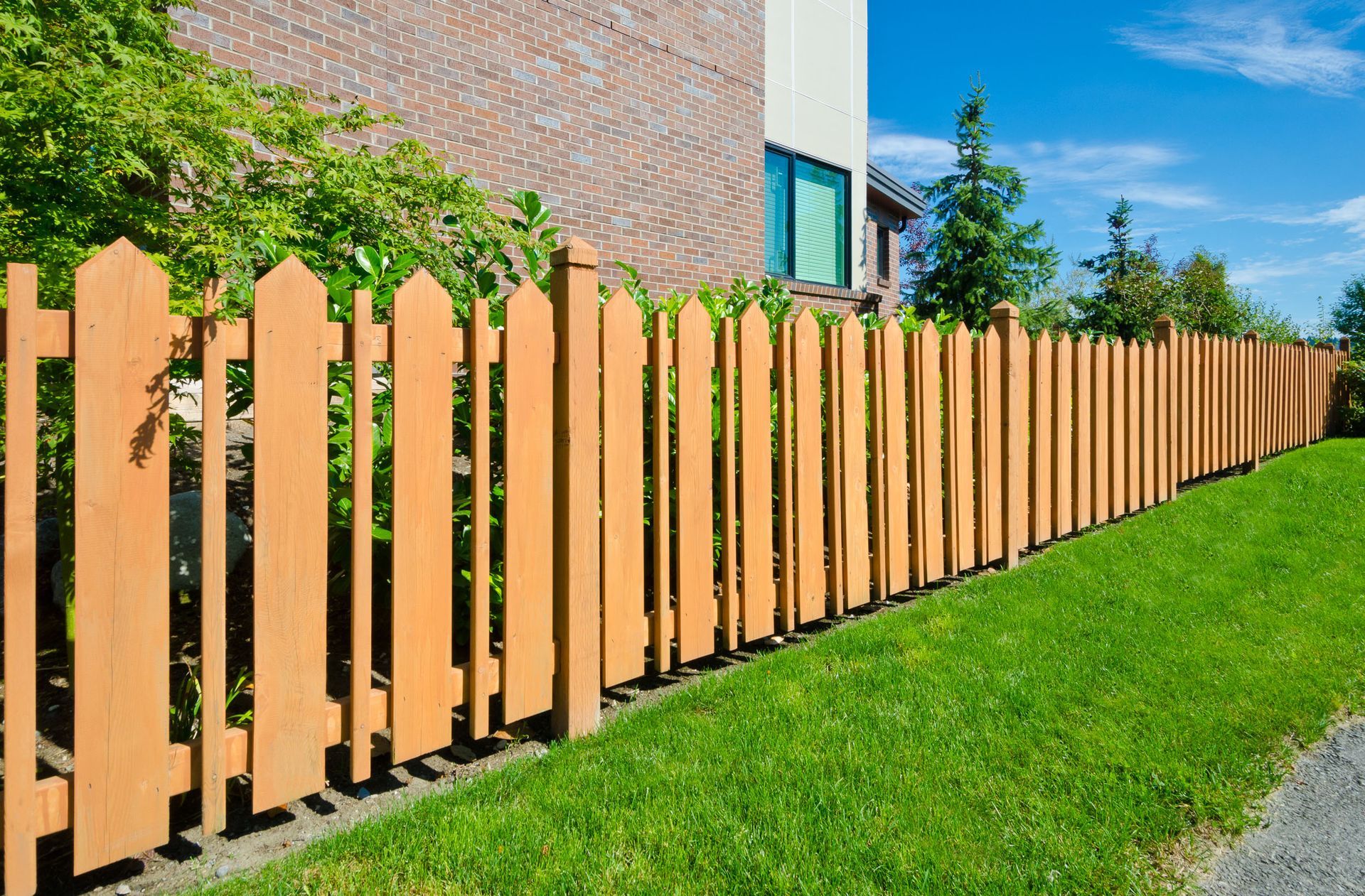
Wood remains a popular fencing choice throughout Central Iowa because of its natural appearance and versatility.
Over time, exposure to sunlight and weather will naturally change the appearance of wood. Homeowners who want to preserve a particular color or finish may choose to apply an appropriate exterior stain or sealer according to the product manufacturer's recommendations.
During routine inspections, look for split or damaged pickets, loose fasteners, damaged rails, or other areas that may need attention. Individual components can often be repaired or replaced before a larger section of fence is affected.
Check Chain-Link and Ornamental Fencing
Galvanized chain-link fence is designed to provide long-lasting corrosion protection and generally requires very little maintenance.
Periodically inspect the fence for damaged fabric, loose fittings, bent components, or areas where the galvanized protective coating has been significantly damaged. Avoid aggressive cleaning or wire brushing that could unnecessarily remove the galvanized coating.
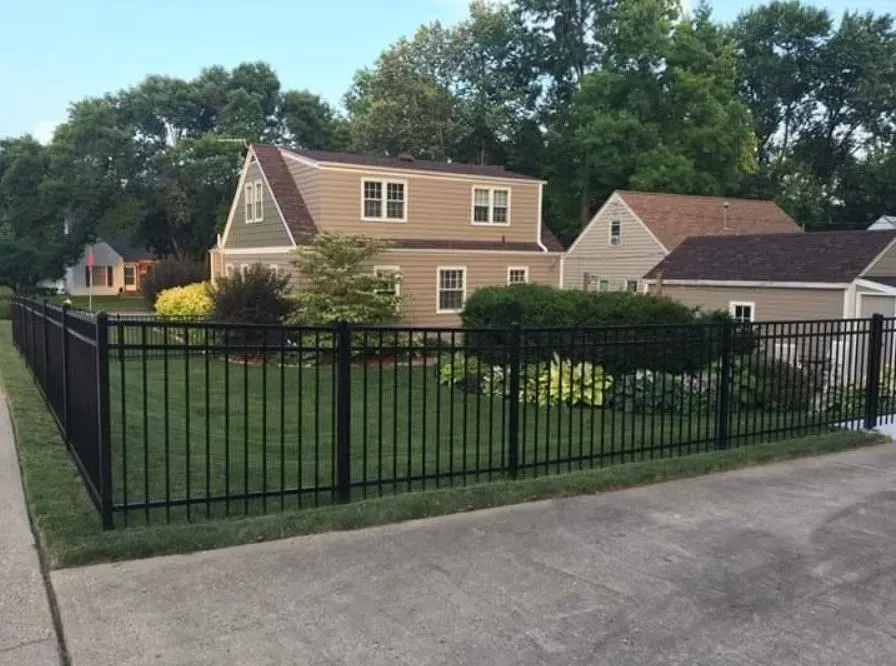
Ornamental fencing should also be inspected for damaged finishes, loose components, or gate-alignment problems. Any damaged protective finish should be repaired with a product appropriate for that particular fencing material.
Pay Attention to Gates
Gates are moving parts, so they often require attention before the rest of the fence.
Check hinges, latches, hardware, and gate alignment periodically. A gate that suddenly begins dragging, sagging, or becoming difficult to latch can be an early indication that something has shifted or that the hardware needs adjustment.
Addressing a gate problem early can help prevent unnecessary stress on the gate posts, hinges, and frame.
Watch Drainage Around Your Fence
Central Iowa can receive significant rainfall during spring and summer storms. While properly installed fencing is designed for outdoor conditions, prolonged standing water and erosion around a fence line can still create problems.
Watch for areas where water consistently pools or where runoff is washing soil away from posts. Improving grading or drainage around those areas can help protect the fence and surrounding property.
Prepare Your Fence for Winter
Before freezing weather arrives, walk the fence line and address obvious damage, loose hardware, or gate problems.
During winter, avoid repeatedly piling heavy snow directly against fence panels when clearing driveways and sidewalks. Large amounts of compacted snow can place unnecessary pressure on a fence.
Proper Installation Matters
Maintenance is important, but the long-term performance of a fence begins with how it is installed.
At Central Iowa Fencing, our residential fence systems are designed with Iowa's soil and seasonal weather conditions in mind. Residential line posts are typically driven approximately four feet into the ground, helping provide stability while reducing problems associated with frost movement.
Our driven residential line-post installations are backed by a five-year no-heave warranty.
Gate and terminal posts are installed differently because they carry additional loads and require greater support. Using the right installation method for each part of the fence is an important part of building a system that performs well over time.
When to Call a Fence Professional
Not every issue requires replacing an entire fence. Depending on the condition of the existing system, individual boards, panels, posts, gates, hardware, or sections may be repairable or replaceable.
If you notice significant leaning, damaged posts, gate problems, storm damage, or deterioration you're unsure about, having an experienced fence professional evaluate the problem can help determine the most practical solution.
Central Iowa Fencing has been installing and servicing residential, agricultural, and commercial fencing throughout Central Iowa for decades. We understand the local soil, weather conditions, and installation methods required to build fencing that lasts.
A little routine attention can go a long way. Inspect your fence periodically, address small problems when they appear, and start with quality materials and proper installation. Those simple steps can help keep your fence attractive, functional, and dependable through Iowa's changing seasons.