How Fencing Contractors Improve Home Security
August 28, 2026

August 28, 2026

Home security is a paramount concern for homeowners seeking to protect their families, properties, and personal belongings from potential intruders. While modern security cameras, alarm systems, and motion-sensor lights offer valuable technological layers of defense, physical barriers remain the fundamental line of protection for any residential perimeter. A well-constructed boundary defining property lines acts as both a visual deterrent and a physical obstacle against unauthorized access. Achieving a truly secure boundary requires thoughtful planning, durable materials, and proper installation techniques. Homeowners who partner with professional fencing contractors often discover that robust physical structures provide an unmatched foundation for overall residential safety. From selecting appropriate structural designs to placing fortified access portals, professional guidance ensures that every aspect of the perimeter is engineered to withstand potential security threats and environmental challenges.


Establishing Perimeter Defense Through Strategic Planning

Creating a secure domestic environment begins with a comprehensive assessment of the property landscape. Every residential lot possesses unique topographical features, potential blind spots, and points of vulnerability that unwanted visitors could exploit. Strategic perimeter planning involves analyzing how outer boundaries interact with surrounding neighborhood elements, street access points, and adjacent natural structures.


Analyzing Property Vulnerabilities and Entry Points

Identifying weak spots along a property boundary requires a careful examination of existing landscape features. Overgrown vegetation, low-hanging tree branches, and uneven ground contours can create convenient hiding places or assist individuals attempting to scale a boundary. Experienced fencing contractors possess the technical expertise necessary to identify these structural vulnerabilities during initial property reviews. By thoroughly surveying the perimeter, professionals can recommend strategic adjustments to boundary lines, ensuring that potential entry points are effectively sealed off or fortified against unauthorized access.


Evaluating Height Requirements and Visibility Factors

Balancing physical height with clear neighborhood visibility is critical when designing a defensive boundary. While taller barriers present a greater physical challenge to potential trespassers, solid panels that are excessively high can sometimes create hidden zones where intruders operate unseen from the street or neighboring homes. Skilled fencing contractors analyze local municipal regulations and specific security priorities to establish an optimal height that maximizes protection without creating dangerous visual dead zones. Incorporating semi-private designs or lattice tops can maintain necessary line-of-sight visibility for surveillance while preventing easy climbing access.


Upgrading Structural Barriers With Durable Materials

The choice of building materials directly impacts how well a physical barrier resists physical force, weather exposure, and deliberate breach attempts. Choosing high-strength materials ensures that property lines remain secure against external pressures over extended periods of time.


Selecting Physical Enclosures for High Resistance

Modern security boundaries utilize a variety of heavy-duty materials designed to deter forced entry. Heavy gauge steel, wrought iron, high-grade aluminum, and dense hardwoods each provide distinct protective benefits for residential borders. According to industry data provided by IBISWorld, 312,560 fence construction businesses operate within the United States, reflecting the expansive commercial network dedicated to reinforcing residential boundaries across the nation. Qualified fencing contractors assist homeowners in selecting structural materials that effectively resist physical impact, cutting tools, and long-term environmental degradation, thereby ensuring lasting perimeter resilience.


Incorporating Secure Gate Systems for Controlled Entry

A residential boundary is only as secure as its weakest access point, making primary entry portals a vital focal point for security design. Integrating robust gate mechanisms ensures that controlled access remains consistent across the entire property edge. Specialized gate installations allow property owners to incorporate heavy-duty deadbolts, electronic keypads, and automated latching hardware. Properly aligned entry portals prevent sagging, hardware misalignment, and latch failure, ensuring that every point of access seals tightly and remains resilient against physical pressure.


Securing Residential Properties With Professional Expertise

Proper structural alignment, correct post depth, and long-term structural integrity require specialized skills and dedicated equipment. Attempting to construct or modify perimeter security structures without professional expertise can lead to premature structural failures, shallow footings, and compromised safety features.


Utilizing Experienced Fencing Contractors for Quality Work

Constructing a secure perimeter barrier involves much more than simply attaching panels to supporting posts. Deep post footings set in high-strength concrete are essential to prevent heavy panels from leaning, shifting, or yielding to physical force. Knowledgeable fencing contractors understand local soil conditions, regional frost lines, and structural load distributions required to keep perimeter posts anchored firmly in the ground. Their technical skill ensures that the completed boundary resists heavy physical pressure, severe wind loads, and adverse weather conditions for many years.


Scheduling Onsite Services for Precise Measurements

Accurate site measurements are essential to eliminating gaps, structural vulnerabilities, and uneven sections along property borders. Professional teams provide comprehensive onsite services to evaluate soil stability, verify precise boundary lines, and take exact physical measurements before assembly begins. These detailed site evaluations ensure that custom components fit together seamlessly during assembly, leaving no accidental gaps or low points that could compromise total residential security.


Maintaining Outer Limits Through Timely Restoration

Physical security barriers require periodic maintenance and timely structural updates to sustain their protective performance. Over time, heavy environmental exposure, soil movement, and physical impact can cause minor structural degradation that compromises total property safety if left unaddressed.


Resolving Structural Damage With Prompt Fence Repairs

When individual panels loosen, posts begin to tilt, or material sections deteriorate, the overall protective capacity of the outer perimeter is severely reduced. Potential intruders frequently scan property lines for pre-existing damage as an easy point of entry. Utilizing expert fence repairs restores the structural integrity of compromised sections before minor issues evolve into significant security vulnerabilities. Timely restoration ensures that outer barriers maintain continuous physical resistance against external threats.


Fixing Access Issues With Dedicated Gate Repairs

Because entry portals experience frequent daily movement, mechanical components such as hinges, latches, drop rods, and alignment tracks are subject to continuous operational wear. A misaligned entry portal that fails to latch properly leaves an entire property exposed to uninvited visitors. Engaging dedicated gate repairs restores complete mechanical functionality, ensuring that locking mechanisms engage smoothly every single time the portal closes. Routine mechanical upkeep prevents unexpected hardware failures that could compromise home safety.


Maximizing Long-Term Protection With Modern Solutions

Modern perimeter security planning involves combining traditional physical barriers with streamlined planning procedures and comprehensive structural upgrades. Planning perimeter enhancements systematically enables homeowners to achieve robust protection efficiently.


Requesting Online Estimates for Strategic Planning

Beginning a security enhancement project starts with understanding structural scope, material requirements, and overall project design. Homeowners can take advantage of convenient online estimates to outline property dimensions, material selections, and specific security features before physical work commences. This initial digital coordination allows property owners to organize security upgrades efficiently and evaluate various design configurations before committing to physical property modifications.


Completing Professional Fence Installations for Lasting Safety

Executing a complete perimeter upgrade requires technical precision, strict adherence to regional building codes, and high-quality craftsmanship. Executing professional fence installations transforms raw building materials into a cohesive defense network tailored to the unique contours of a property. By entrusting construction to trained fencing contractors, homeowners ensure that every panel, post, and fastener is positioned to deliver maximum security and long-term durability.


Enhancing residential security requires a comprehensive strategy that combines physical strength, thoughtful design, and reliable craftsmanship. A robust outer perimeter serves as an indispensable first layer of defense, deterring potential intruders and protecting residential properties. By partnering with knowledgeable fencing contractors, homeowners can transform vulnerable property lines into formidable protective barriers. Whether executing new fence installations, securing entry points through specialized gate installations, or restoring existing structures through dedicated fence repairs and gate repairs, professional care ensures lasting structural integrity. Utilizing convenient online estimates and detailed onsite services empowers property owners to make informed decisions that ensure long-term safety, enhanced privacy, and lasting peace of mind. If you are in need of a well-built fence, contact Central Iowa Fencing today for your free estimate.

By Central Iowa Fencing • October 1, 2026
Fence Maintenance Tips for Central Iowa Homeowners A quality fence is an investment in your property's privacy, security, appearance, and value. In Central Iowa, fences also have to withstand some challenging conditions—from freezing winter temperatures and frost to heavy spring rains, summer heat, humidity, and strong winds. The good news is that a properly installed fence shouldn't require constant attention. A few routine inspections and some basic maintenance can help keep your fence looking good and performing as intended for many years. Inspect Your Fence in the Spring and Fall A good rule of thumb is to walk your fence line at least twice a year, preferably in the spring and fall. Look for loose or damaged boards, cracked or damaged panels, bent hardware, leaning sections, gate alignment issues, or anything else that has noticeably changed. Spring is an especially good time for an inspection after Iowa's freeze-and-thaw cycles. Catching a small problem early is usually easier and less expensive than waiting until it affects a larger section of fence. Keep the Fence Line Clean Leaves, grass clippings, weeds, vines, and other vegetation can hold moisture against fencing and make it more difficult to spot developing problems. Keep vegetation trimmed away from the fence and avoid allowing soil, mulch, or landscaping materials to build up unnecessarily against the bottom of wood or vinyl fence panels. Vinyl and many metal fences can generally be cleaned with water and a mild household soap. Cedar and other wood fencing should be cleaned more carefully. If pressure washing is used, keep the pressure low enough to avoid damaging or roughening the surface of the wood.  Maintain Cedar and Other Wood Fencing Wood remains a popular fencing choice throughout Central Iowa because of its natural appearance and versatility. Over time, exposure to sunlight and weather will naturally change the appearance of wood. Homeowners who want to preserve a particular color or finish may choose to apply an appropriate exterior stain or sealer according to the product manufacturer's recommendations. During routine inspections, look for split or damaged pickets, loose fasteners, damaged rails, or other areas that may need attention. Individual components can often be repaired or replaced before a larger section of fence is affected. Check Chain-Link and Ornamental Fencing Galvanized chain-link fence is designed to provide long-lasting corrosion protection and generally requires very little maintenance. Periodically inspect the fence for damaged fabric, loose fittings, bent components, or areas where the galvanized protective coating has been significantly damaged. Avoid aggressive cleaning or wire brushing that could unnecessarily remove the galvanized coating. Ornamental fencing should also be inspected for damaged finishes, loose components, or gate-alignment problems. Any damaged protective finish should be repaired with a product appropriate for that particular fencing material. Pay Attention to Gates Gates are moving parts, so they often require attention before the rest of the fence. Check hinges, latches, hardware, and gate alignment periodically. A gate that suddenly begins dragging, sagging, or becoming difficult to latch can be an early indication that something has shifted or that the hardware needs adjustment. Addressing a gate problem early can help prevent unnecessary stress on the gate posts, hinges, and frame. Watch Drainage Around Your Fence Central Iowa can receive significant rainfall during spring and summer storms. While properly installed fencing is designed for outdoor conditions, prolonged standing water and erosion around a fence line can still create problems. Watch for areas where water consistently pools or where runoff is washing soil away from posts. Improving grading or drainage around those areas can help protect the fence and surrounding property. Prepare Your Fence for Winter Before freezing weather arrives, walk the fence line and address obvious damage, loose hardware, or gate problems. During winter, avoid repeatedly piling heavy snow directly against fence panels when clearing driveways and sidewalks. Large amounts of compacted snow can place unnecessary pressure on a fence. Proper Installation Matters Maintenance is important, but the long-term performance of a fence begins with how it is installed. At Central Iowa Fencing, our residential fence systems are designed with Iowa's soil and seasonal weather conditions in mind. Residential line posts are typically driven approximately four feet into the ground, helping provide stability while reducing problems associated with frost movement. Our driven residential line-post installations are backed by a five-year no-heave warranty. Gate and terminal posts are installed differently because they carry additional loads and require greater support. Using the right installation method for each part of the fence is an important part of building a system that performs well over time. When to Call a Fence Professional Not every issue requires replacing an entire fence. Depending on the condition of the existing system, individual boards, panels, posts, gates, hardware, or sections may be repairable or replaceable. If you notice significant leaning, damaged posts, gate problems, storm damage, or deterioration you're unsure about, having an experienced fence professional evaluate the problem can help determine the most practical solution. Central Iowa Fencing has been installing and servicing residential, agricultural, and commercial fencing throughout Central Iowa for decades. We understand the local soil, weather conditions, and installation methods required to build fencing that lasts. A little routine attention can go a long way. Inspect your fence periodically, address small problems when they appear, and start with quality materials and proper installation. Those simple steps can help keep your fence attractive, functional, and dependable through Iowa's changing seasons.
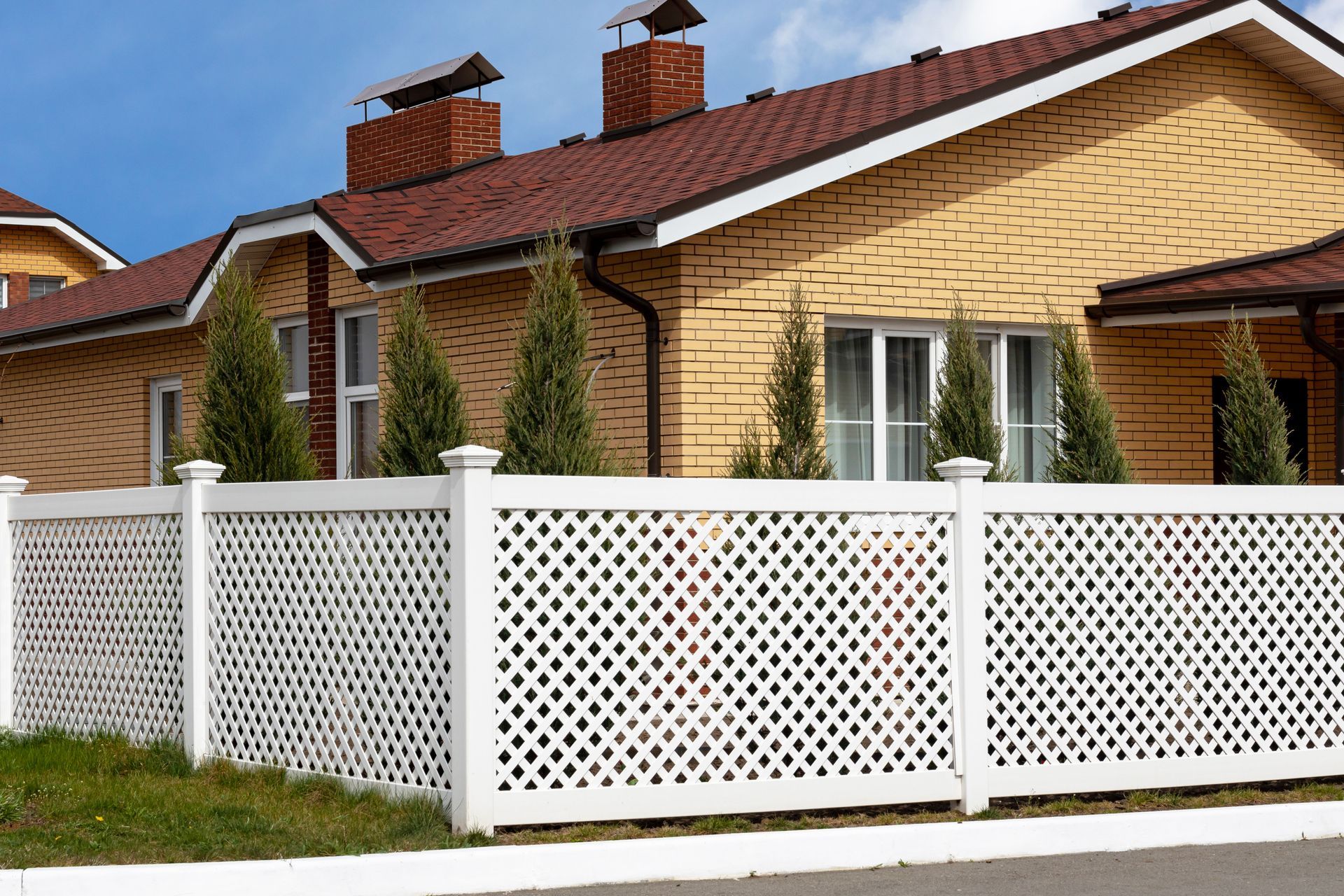
White lattice fence in front of a tan brick house with a red roof and white-framed windows.
June 22, 2026
Boost your property's curb appeal with a low-maintenance vinyl fence. Discover durable privacy, picket, and specialty styles built to withstand the elements.
Wood Fencing Services
June 11, 2026
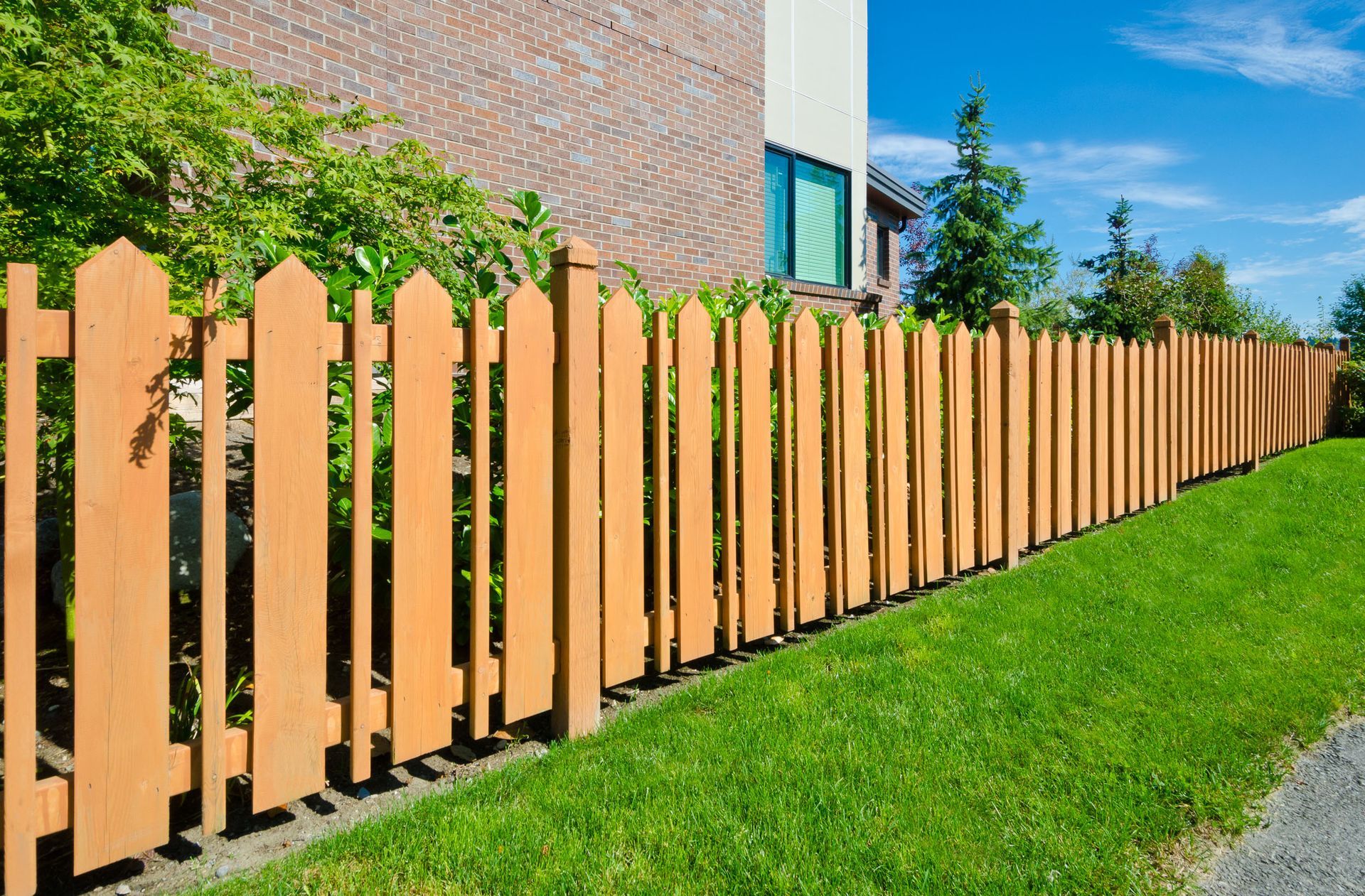
Are you looking for wood fencing services that will help protect your property? Here is a guide to help you! Continue reading this blog to learn more today.

Show More →