May 12, 2026
A home’s exterior sets the tone long before anyone steps inside, and one of the most effective ways to elevate that first impression is through thoughtful fencing choices. Among the many options available, wood fencing remains a standout for homeowners who want a balance of natural beauty, privacy, and design flexibility. Whether you’re updating an older property or finishing a new build, the right fence can subtly reshape how your home is perceived from the street.
Beyond aesthetics, wood fencing also plays a practical role in defining property lines, improving security, and creating usable outdoor spaces. In recent years, it has remained one of the most consistently chosen materials in residential construction. In fact, according to Principia, in 2022, more than 75% of fencing demand came from single-family homes, with low-rise multi-family properties representing the next largest share of installations. That trend reflects how deeply wood fencing continues to resonate with homeowners looking for both function and style.
What Are the Benefits of Wood Fencing?
One of the biggest reasons homeowners continue to choose wood fencing is its natural versatility. Unlike synthetic alternatives, wood can be shaped, stained, and styled in countless ways, making it easy to match nearly any architectural design. Whether the home is modern, rustic, or traditional, wood fencing can be adapted to fit seamlessly into the overall look.
Another major advantage is its visual warmth. Metal and vinyl can sometimes feel rigid or artificial, while wood fencing introduces an organic texture that blends well with landscaping, gardens, and outdoor living spaces. Even simple designs can significantly improve curb appeal by softening the transition between home and street.
Wood fencing also offers a strong balance between affordability and customization. Homeowners can choose higher-end hardwoods for durability or more budget-friendly softwoods while still achieving a polished appearance. This flexibility makes it an accessible option for a wide range of projects.
Finally, repairs are generally more straightforward compared to other materials. Individual boards can often be replaced without reconstructing the entire structure, which helps extend the lifespan of wood fencing when properly maintained.
How to Choose the Right Type of Wood for Fencing?
Selecting the right material is one of the most important decisions when installing wood fencing, as different wood species offer different strengths, appearances, and maintenance needs.
Cedar is one of the most popular choices due to its natural resistance to rot and insects. It also has a rich color and grain pattern that ages gracefully over time. Many homeowners prefer cedar wood fencing because it requires less chemical treatment while still offering long-term durability.
Pine is another widely used option, especially for those looking for affordability. It is often pressure-treated to enhance its resistance to weather and pests. While it may require more maintenance over time, pine wood fencing remains a practical choice for larger properties or budget-conscious projects.
Redwood sits at the higher end of the spectrum. It is naturally durable, resistant to decay, and prized for its deep, reddish tone. Although more expensive, redwood wood fencing is often chosen for premium homes where visual impact is a priority.
Climate also plays a major role in selection. In wetter regions, naturally rot-resistant woods are often preferred, while drier climates allow for more flexibility in material choice. Matching the wood type to environmental conditions ensures that wood fencing remains strong and attractive for years.
What Are Some Creative Designs for Wood Fencing?
Design plays a huge role in how wood fencing contributes to curb appeal. Even simple changes in layout or structure can dramatically shift the personality of a property.
Horizontal slat designs have become increasingly popular for modern homes. Instead of traditional vertical boards, the horizontal layout creates a sleek, contemporary feel. This style of wood fencing works especially well when paired with minimalist landscaping and modern exterior finishes.
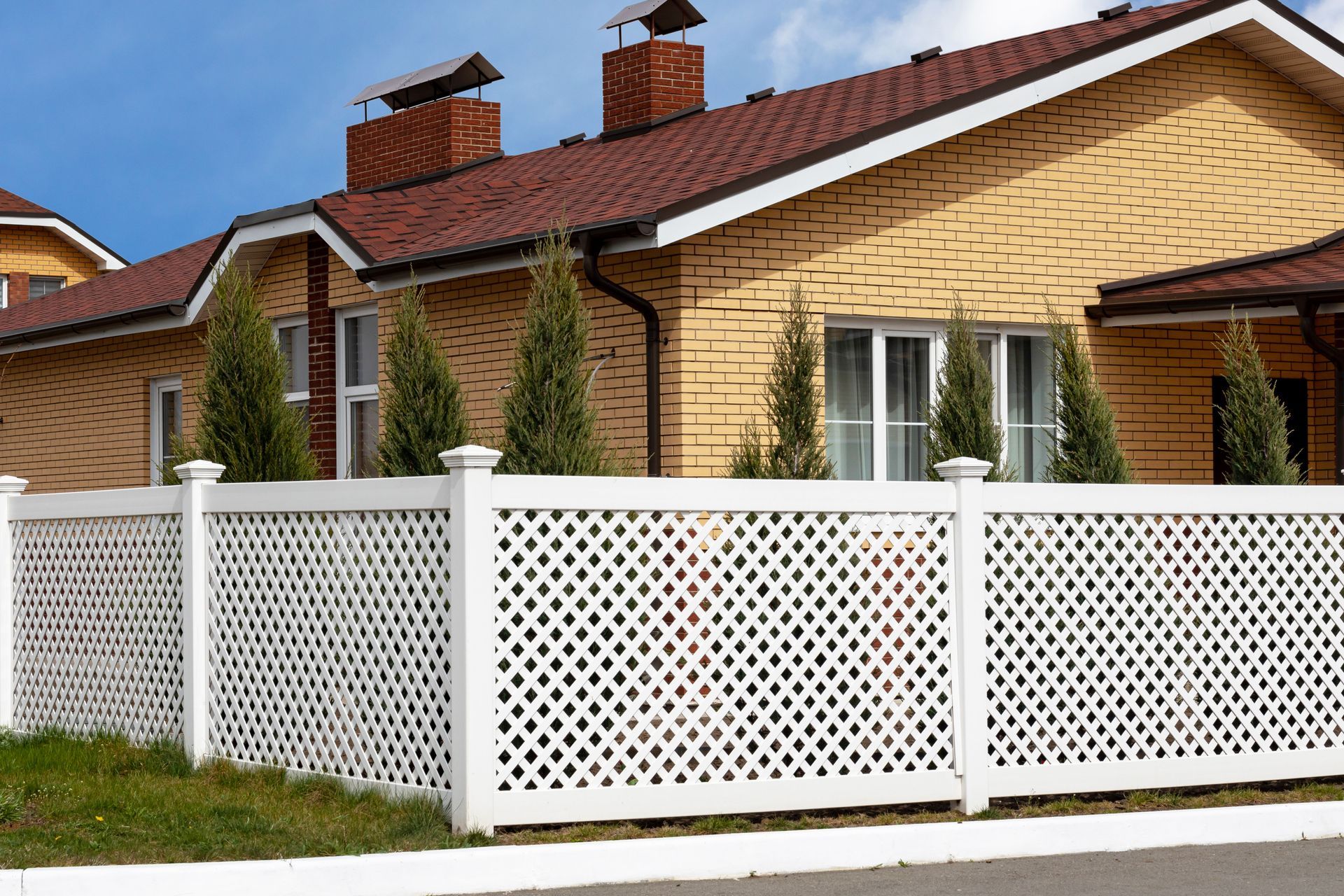
Lattice-top fencing is another attractive option, blending privacy with decorative openness. The solid lower section provides security, while the patterned upper portion adds visual interest and allows light and air to pass through.
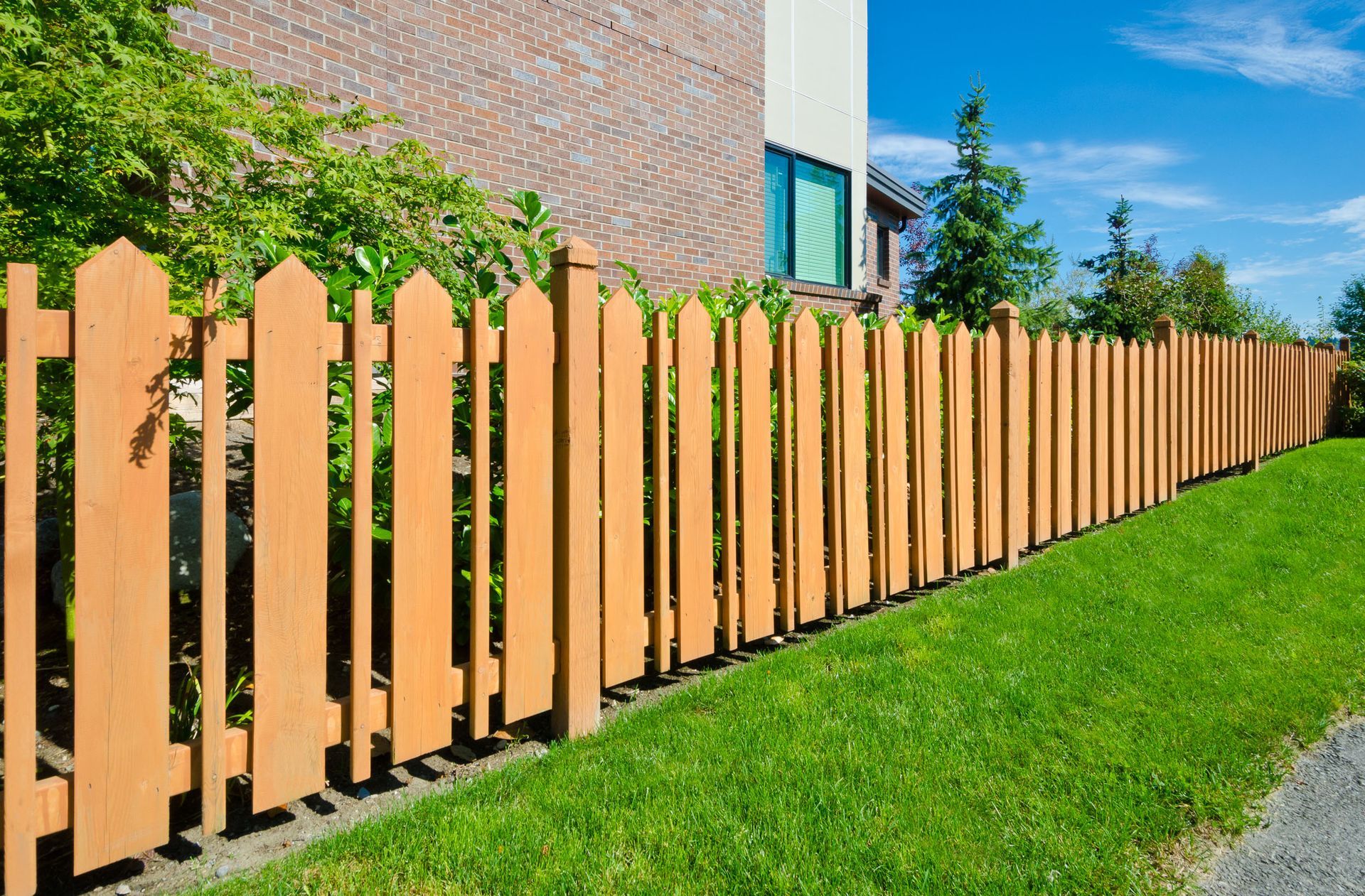
Shadowbox designs offer a more dynamic look, with alternating boards on either side of the fence rail. This creates depth and allows for partial visibility while still maintaining privacy. Many homeowners choose this form of wood fencing for shared property lines where both sides of the fence need to look appealing.
For those seeking a more custom approach, combining materials can also be effective. Integrating stone columns, metal accents, or painted sections can elevate wood fencing into a more architectural feature rather than just a boundary structure.
In all cases, thoughtful design turns wood fencing from a simple barrier into a defining element of the property’s exterior identity.
How to Maintain and Care for Wood Fencing?
Proper maintenance is essential for keeping wood fencing in good condition over time. While wood is naturally durable, exposure to weather, sunlight, and moisture can gradually affect its appearance and structure.
One of the most important steps is sealing or staining the fence. This protective layer helps prevent water absorption and reduces the risk of rot and warping. Depending on the climate, resealing wood fencing every few years can significantly extend its lifespan.
Regular cleaning is also important. Dirt, mold, and mildew can accumulate on the surface, especially in shaded areas. Gentle washing with appropriate cleaning solutions helps preserve both the appearance and integrity of wood fencing.
Inspection plays a key role as well. Checking for loose boards, rusted nails, or early signs of decay allows homeowners to address issues before they spread. Small repairs made early can prevent larger structural problems later.
Vegetation control is another often-overlooked factor. Plants growing too close to wood fencing can trap moisture and accelerate deterioration. Keeping shrubs and vines trimmed helps maintain airflow and reduces long-term wear.
With consistent care, wood fencing can remain both functional and visually appealing for many years.
What Is the Cost of Installing a Wood Fence?
The cost of installing wood fencing varies widely depending on materials, labor, design complexity, and property size. Basic pine installations tend to be more affordable, while premium woods like redwood or custom designs increase overall costs.
Labor is often a significant portion of the budget, especially for properties with uneven terrain or complex layouts. Additional features such as gates, staining, or decorative elements also affect final pricing.
On a broader scale, demand trends help explain why wood fencing remains a dominant choice in residential projects. According to Principia, most fencing demand in 2022 came from single-family homes, with low-rise multi-family housing accounting for the next largest segment. This consistent demand reflects how homeowners continue to prioritize outdoor privacy and aesthetic improvement, even as material costs fluctuate.
When budgeting, it’s also important to consider long-term maintenance. While initial installation costs are important, properly maintained wood fencing can offer strong value over time by avoiding premature replacement.
Wood fencing continues to be one of the most effective ways to enhance curb appeal while maintaining practicality and versatility. From material selection to design choices and ongoing care, it offers homeowners a wide range of options to suit different needs and styles. Whether used for privacy, decoration, or property definition,
wood fencing remains a timeless investment that can significantly elevate the look and feel of any home exterior. If you're considering a wood fence, reach out to the team at Central Iowa Fencing today!